
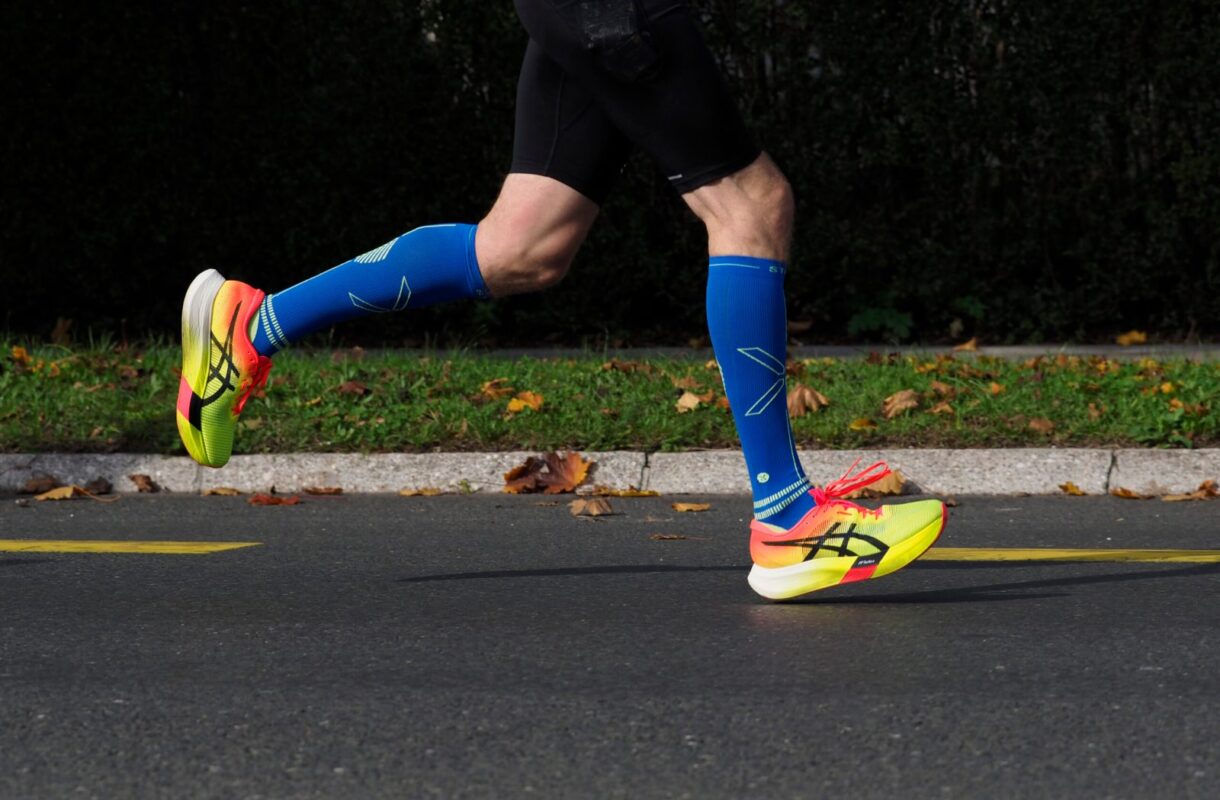
The first steps out of bed are the worst part of your day. Your heel stabs, or your knee takes a moment to agree to hold you up when you stand from the couch.
You’ve already done the sensible things: ice, rest, new shoes, a course of anti-inflammatories. A month or eight months later, the same spot is still the one that hurts. This guide explains why that happens, and what we do differently with shockwave therapy.
Key takeaways
- A heel, Achilles, knee, elbow or shoulder that stays sore after weeks of rest is often a tendon or soft tissue injury whose repair stalled.
- Rest, ice and cortisone quiet the symptoms. They do not rebuild the tissue.
- High energy acoustic shockwave therapy sends sound pulses into the tissue to restart repair, grow new blood supply and break down scar tissue.
- It works as a series of sessions, not a single visit, and Dr. Mina sets the intensity to your sensitivity.
- Dr. Mina Iskander offers it in Orange and in Culver City.
Four signs your injury has stalled
- It has been sore for six weeks or more. By then, tissue would normally have closed the gap and moved on.
- The first steps of the day hurt. Or you need a beat before your knee takes your weight.
- It flares the moment you load it. Stairs, squats and running bring it straight back.
- Rest helps, then it returns. The pain settles on easy days and comes back when life goes back to normal.
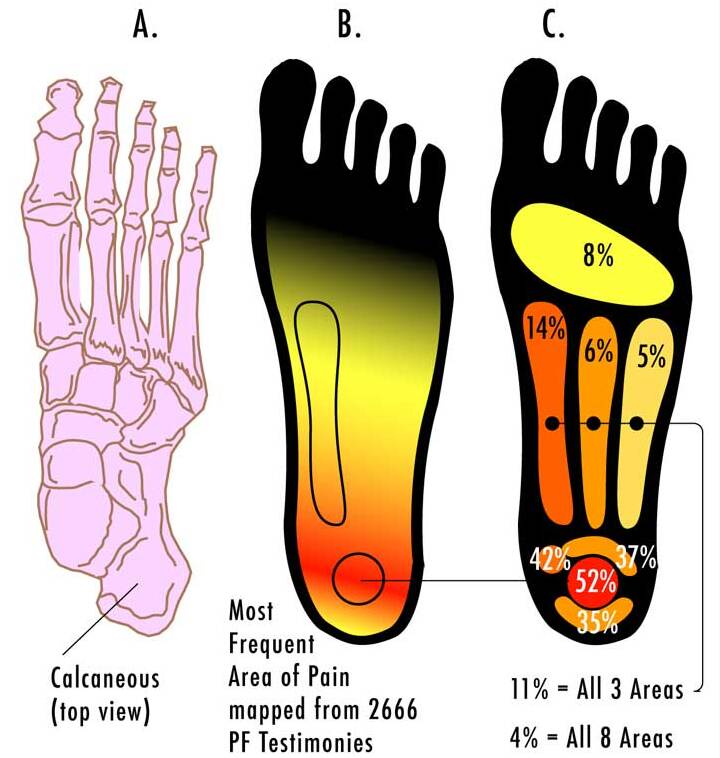
Here is what is usually going on. The original strain started a repair response, the response quieted down, and the tissue never finished the job. What remains is scar tissue and a sore spot that complains whenever you put weight through it. Plantar fasciitis, pain along the bottom of the heel and arch, is a common example, and this StatPearls clinical overview explains it in detail.
Why rest, ice and cortisone stop working
Rest and ice earn their place right after an injury, when they calm things down. The trouble starts around week six. If your first steps are still sore by then, resting has turned into the plan, and nothing is being rebuilt.
A cortisone shot is usually the next offer, and it makes sense why. It can quiet a sore heel or knee for weeks, and that feels like progress. But a shot does not restore tissue, and repeated injections can weaken tendon fibers over time. The quiet fades and the pain returns, sometimes worse.
What shockwave therapy does inside the tissue
The name puts people off, so let’s clear it up. It does not feel like electricity and there are no zaps. We use high energy acoustic shockwave therapy: sound pulses delivered through a handheld applicator into the tissue underneath. Most patients call it a firm tapping.
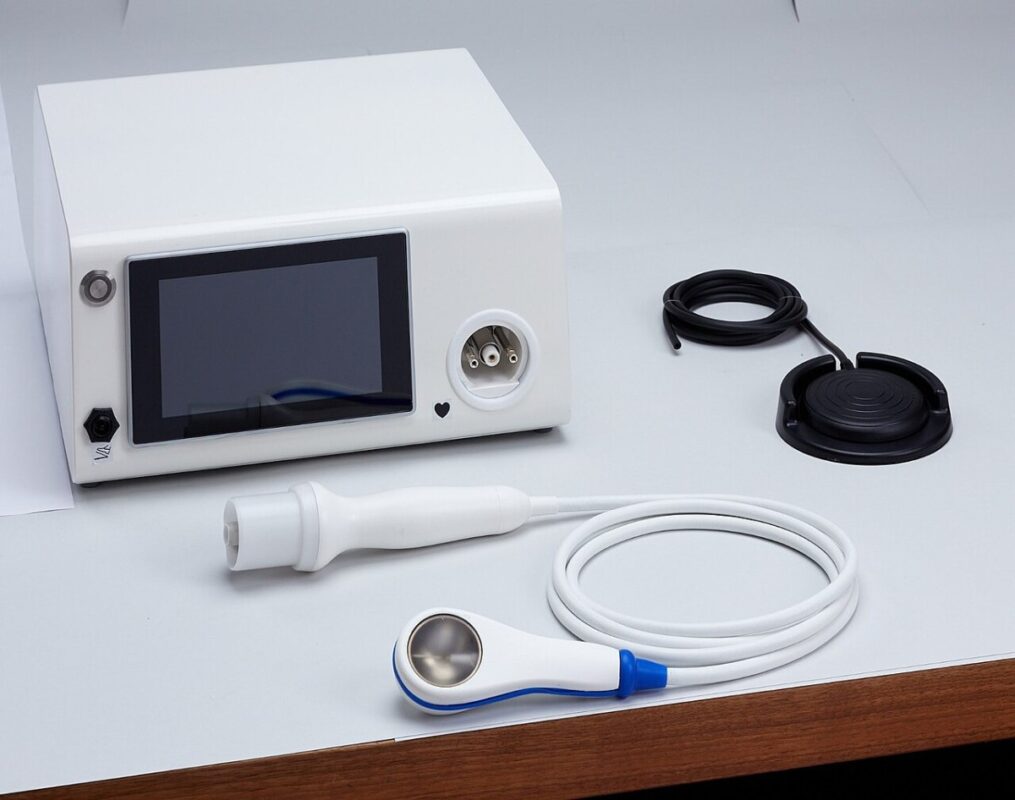
Those pulses give the stalled tissue a controlled mechanical load, which your body reads as a signal that repair is needed. Three things follow:
- Cells wake back up. The cells that build and maintain the tissue start working again instead of sitting idle.
- New blood supply forms. New micro blood vessels bring back the oxygen and nutrients damaged tissue needs to rebuild.
- Scar tissue and calcium deposits break down. Over a series of sessions, the sound energy loosens old buildup so the tissue can move and take load properly.
None of this heals the tissue overnight. It restarts a process that stalled, which is what you have been waiting months for. See our pages on shockwave therapy in Orange, CA and shockwave therapy in Culver City.
What a treatment series looks like
In the treatment room
Dr. Mina sets the pulse intensity and the treatment depth based on how your tissue responds and how sensitive you are that day. If your tolerance is low, we work with it instead of asking you to tough it out.
After each session
Most people go straight back to work or the rest of their day. There is no recovery window and no need for a ride home.
Each session builds on the last, which is why one visit tends to disappoint and a series gets somewhere. Nobody can promise a number of visits before examining you, and we won’t.
What we treat with shockwave therapy
We use it for stubborn problems, usually the ones that have already outlasted rest and medication:
- Plantar fasciitis: thickened tissue along the bottom of the foot, so the first walk of the morning stops being the worst part of the day.
- Knee pain and patellar tendonitis: a tendon that flares on stairs, squats or runs.
- Achilles tendonitis: a tendon that has stayed tight and sore since your last mileage jump.
- Tennis elbow and golfer’s elbow: forearm tendons overloaded by gripping, lifting or swinging.
- Rotator cuff and shoulder pain: calcific deposits and long-standing stiffness that limit your reach.
- Chronic scar tissue buildup: old injury sites softened so joints move smoothly again.
Active and worried about the next injury? Read our overview of sports injury care in Orange, or see how our Orange clinic frames it in this sore heel guide from La Veta Wellness.
Temporary relief or treating the tissue
| Rest, ice or a shot | Shockwave therapy | |
|---|---|---|
| Aimed at | The sore spot | The stalled tissue |
| Typical result | Quiet for a while, then the pain returns | A restarted repair process |
| How it works | A short round of relief | A cumulative series of sessions |
Patients tell us they notice a difference once the series is underway. How soon depends on the tissue and on how long the problem has been there.
Where to book shockwave therapy
Orange: La Veta Wellness
845 W La Veta Ave, Suite 106, Orange, CA 92868
Monday, Wednesday, Friday, 9 am to 7 pm
Call (657) 479-3909
Culver City: Culver Spine
5601 W Slauson Ave, Suite 266, Culver City, CA 90230
Call (424) 228-4638
Shockwave therapy for heel pain: common questions
Does shockwave therapy hurt, or feel like electricity?
No. There are no zaps. Most patients describe a firm tapping, and Dr. Mina adjusts the intensity while you lie there based on what you tell her. If you have a low tolerance for sensation, the treatment is adjusted to it.
How many sessions will I need?
It depends on the tissue and how long the problem has been present. Shockwave therapy is cumulative, so each session builds on the last, and a single visit usually disappoints. No honest number can be given before an exam.
Is there any downtime?
Most people carry on with their day right after a session. There is no recovery window and nobody needs to drive you home.
Why not get another cortisone shot?
A shot can quiet a sore heel or knee for weeks, but it does not restore the tissue, and repeated injections can weaken tendon fibers over time. Shockwave therapy targets the tissue itself.
Which conditions can shockwave therapy treat?
We use it for plantar fasciitis, knee pain and patellar tendonitis, Achilles tendonitis, tennis elbow and golfer’s elbow, rotator cuff and shoulder pain, and chronic scar tissue buildup.
Stop planning your day around which stairs hurt
If you have been managing the same sore spot for weeks, another week of rest is not the answer. An exam will show what is actually irritated and whether shockwave therapy fits your case.
Questions first? Call Orange at (657) 479-3909 or Culver City at (424) 228-4638, or send us a message.
