
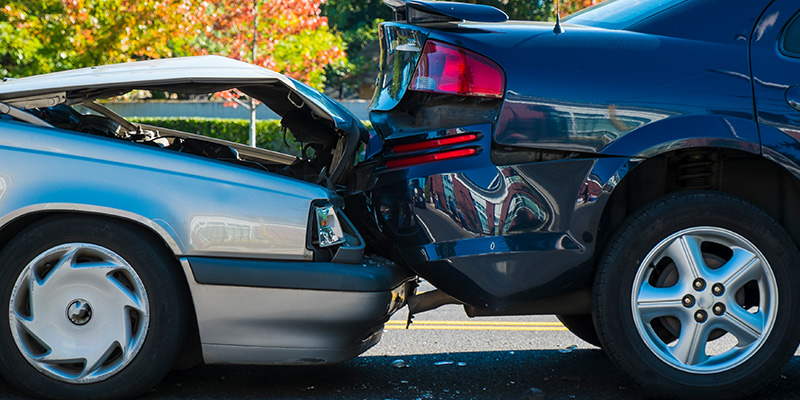
After a car accident, most people assume the harder the crash, the longer the recovery. The research says it is not that simple. A 2017 review of whiplash studies found that details of the collision, such as speed, impact direction and seatbelt or headrest use, did not predict who kept having pain. What did point to a slower recovery was how people were doing in the first days afterward: how much pain they had, how limited they were, and how anxious they felt.
What the review found
Higher early pain and anxiety were linked with a poorer outcome after whiplash injury. Factors related to the collision itself were not linked with ongoing pain and disability.
Sarrami et al., Journal of Orthopaedics and Traumatology, 2017
What the Research Looked At
Sarrami and colleagues pulled together the findings of earlier systematic reviews on whiplash injury, which is sometimes called a meta-review. Their goal was to answer a question patients ask all the time: who is likely to keep having pain, and who is likely to recover? You can read the summary on PubMed.
Because the review combines many studies, it describes groups of people, not any one person. Your own recovery depends on your injury, your history and the care you get. Still, the patterns it found are useful, because several of them are things you and your provider can act on.
Factors Linked With a Slower Recovery
- More pain and disability early onPeople with more pain and more limitation right after the injury were more likely to still have symptoms later.
- Anxiety after the injuryHigher anxiety in the early period was associated with a poorer outcome.
- CatastrophizingExpecting the worst, or feeling that the pain cannot be managed, was also linked with poor recovery.
- Other associated factorsThe review also lists whiplash grade, sensitivity to cold, and compensation and legal factors.
None of this means the pain is “in your head.” Pain after a crash is real. The finding is that the way the body and mind respond in the first days shapes what happens next, so both deserve attention.
What Did Not Predict Recovery
- Collision factors: impact direction, seatbelt or headrest use, and vehicle speed were not associated with continuing pain and disability.
- Scan findings: MRI or x-ray findings after the injury were not associated with outcome.
- Motor dysfunction: this was not associated with outcome either.
That does not make imaging pointless. Scans and exams are how a provider rules out fractures and serious injury. The point is that a “clean” scan or a “minor” crash does not guarantee a quick recovery, and a severe crash does not guarantee a long one.
What Is Still Unclear
Many people say the state of your health before an accident decides how you recover. The review does not settle that. Evidence on prior pain was conflicting, and evidence on pre-injury fitness and genetic factors was lacking. General psychological distress, coping style and low mood also had conflicting results. In other words, being healthy beforehand is a sensible goal, but the research does not yet prove it protects you from long-term pain after a crash.
What You Can Do Before Anything Happens
There is no proven way to crash-proof your neck. But the habits below are good for your health anyway, and they leave you better placed if something does happen:
- Keep up regular exercise. Our article on strength training and injury risk covers the evidence for sports injuries, which is a different question from whiplash.
- Protect your sleep and find ways to manage stress.
- Get long-running neck or back pain looked at instead of putting up with it.
What to Do in the First Days After an Accident
- Get checked soon, even if you feel fine. Pain can show up hours or days later.
- Tell your provider about every symptom: neck, back and head pain, numbness, dizziness and trouble sleeping.
- Ask what activity is safe and keep moving as your provider advises, instead of staying still for long periods.
- Speak up about worry, fear or poor sleep. These matter for recovery, and they can be addressed.
- Book a follow-up if symptoms last beyond a couple of weeks.
- Keep notes of your symptoms and visits in case you need them later.
Go to urgent care or the emergency room first for severe headache, loss of consciousness, weakness, numbness that is spreading, trouble speaking, or chest or abdominal pain.
Where Chiropractic Care Fits In
Dr. Mina Iskander examines patients after car accidents at our Culver City and Orange offices. A visit starts with your history and a hands-on exam of the neck, back and joints, so we know what is actually hurt before we treat anything. Our car accident chiropractor page explains how care is planned, and you can read about how we treat neck pain and low back pain. We do not promise a particular result, but we do take early pain, stress and sleep seriously, because that is where the research points.
Frequently Asked Questions
Does a bigger crash mean a longer recovery?
Not according to a 2017 review of whiplash studies. Collision factors such as impact direction, vehicle speed and seatbelt or headrest use were not associated with ongoing pain and disability. Early pain, disability and anxiety were.
Why can I feel fine after an accident and hurt a few days later?
Soft-tissue pain and stiffness often build over hours or days after a crash. Getting checked early gives you a baseline and helps catch problems that do not show up right away.
Does anxiety after an accident really affect recovery?
The review found that anxiety and catastrophizing after the injury were associated with poorer outcomes. An association is not proof of cause, but it is a good reason to talk about worry and sleep, not only about pain.
Does my health before the accident matter?
Probably, but the evidence is weaker than many people think. The review found conflicting evidence on prior pain and not enough evidence on fitness, so no one can promise that being healthier beforehand protects you.
When should I see a chiropractor after a car accident?
Once emergency problems have been ruled out, within the first days or weeks is a sensible time, sooner if you have neck pain, stiffness or headaches. Go to urgent care first for severe symptoms.
Book a Visit
Were you in an accident, or is pain from an old one still holding you back? Schedule a visit with Dr. Mina Iskander.
This article is for general information and is not a substitute for medical advice. If you were injured in an accident, talk with a qualified provider about your symptoms.
